Successful fish farming begins long before fingerlings are introduced into a pond, tank, or cage. While many farmers focus on sourcing quality fingerlings, the condition of the production system before stocking is equally important. Even the healthiest fingerlings can experience high mortality, slow growth, or disease outbreaks if they are introduced into an environment that is not properly prepared.
In Kenya, fish farming continues to expand as demand for tilapia, catfish, and other freshwater species grows across households, supermarkets, hotels, restaurants, and institutions. As more farmers invest in aquaculture, preparing production facilities before stocking has become a critical step in improving productivity, reducing losses, and achieving profitable harvests.
Whether you are establishing a new fish farm or preparing an existing production unit for another production cycle, careful planning and proper farm preparation create the right conditions for healthy fish growth from day one.
Why Farm Preparation Is So Important
The first few days after stocking are often the most stressful period in a fish’s life. Fingerlings must adapt to a new environment while coping with changes in water quality, temperature, handling, and transportation.
Poorly prepared ponds or cages can expose fish to low oxygen levels, harmful bacteria, parasites, poor water quality, or predators. These conditions increase stress, weaken immunity, and may result in significant mortality.
A well-prepared production system helps ensure:
- Higher fingerling survival rates.
- Faster adaptation after stocking.
- Improved feed utilization.
- Better growth performance.
- Lower disease risks.
- Higher overall productivity.
Good preparation also allows farmers to identify and correct potential problems before fish are introduced, avoiding costly losses later in the production cycle.
Start with a Farm Assessment
Before stocking, farmers should inspect the entire production system.
For pond farms, this includes checking pond walls, dykes, inlet and outlet structures, drainage systems, fencing, water supply, and access roads. Any cracks, erosion, leaks, or damaged structures should be repaired before water is introduced.
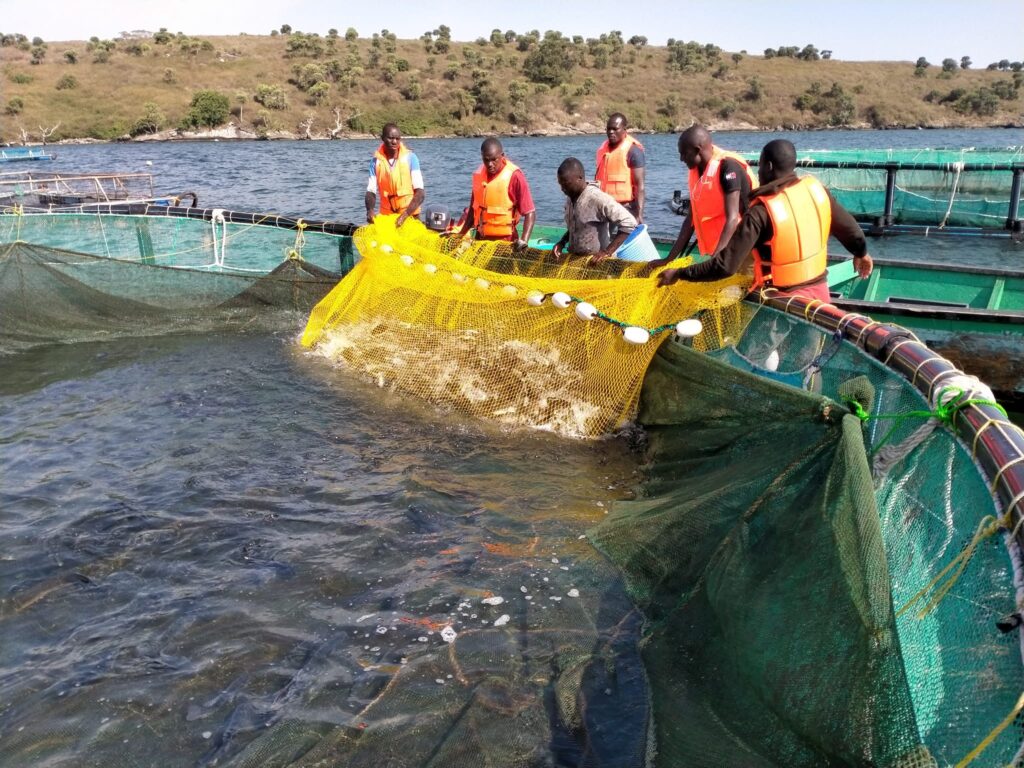
For cage farms, inspection should include floating frames, nets, anchors, ropes, flotation devices, and mooring systems. Torn nets or weak anchor points can lead to fish escapes and significant financial losses.
Supporting infrastructure such as feed stores, equipment sheds, harvesting gear, and security measures should also be assessed to ensure the farm is fully operational.
Clean and Prepare Existing Ponds
If a pond has already completed a production cycle, proper cleaning is essential before restocking.
After harvesting, ponds should be completely drained where possible. Remaining fish, predators, weeds, sludge, and accumulated organic matter should be removed.
Excessive sludge can harbor disease-causing organisms while reducing water quality during the next production cycle.
Many farmers also allow ponds to dry for several days. Sunlight helps reduce harmful microorganisms, parasites, and unwanted aquatic organisms that may survive between production cycles.
Pond drying should be done carefully, depending on soil conditions and local weather.
Improve Pond Bottom Conditions
A healthy pond starts with a healthy pond bottom.
Over time, uneaten feed, fish waste, and decaying vegetation accumulate on the pond floor. If left unmanaged, these materials consume oxygen and release harmful compounds such as ammonia and hydrogen sulfide.
Removing excessive sludge improves water quality and creates a healthier production environment for newly stocked fingerlings.
Where necessary, pond bottoms can be leveled to ensure efficient drainage during future harvests.
Apply Lime Where Appropriate
Agricultural lime is commonly used in pond preparation to improve soil and water quality.
Liming can help:
- Stabilize pond pH.
- Improve nutrient availability.
- Reduce harmful microorganisms.
- Enhance natural productivity.
However, lime application should be based on soil and water conditions rather than applied routinely without assessment. Excessive liming may create unfavorable conditions if not managed correctly.
Farmers are encouraged to seek technical guidance or conduct basic soil and water testing before applying lime.
Fill the Pond with Clean Water
Water quality is one of the most important factors influencing fingerling survival.
Ponds should be filled using clean, reliable water from rivers, boreholes, springs, reservoirs, or other approved sources.
If water is drawn from rivers or canals, inlet screens should be installed to prevent wild fish, predators, frogs, and unwanted organisms from entering the pond.
Water should be introduced gradually while checking for leaks and ensuring inlet and outlet structures function properly.
Ideally, ponds should be filled several days before stocking to allow water conditions to stabilize naturally.
Test Water Quality Before Stocking
Stocking should never begin without evaluating basic water quality.
Important parameters include:
- Temperature
- Dissolved oxygen
- pH
- Water clarity
- Ammonia
- Nitrite, where possible
For tilapia, water temperatures between approximately 25°C and 30°C generally support good growth, while dissolved oxygen should remain above 5 milligrams per liter whenever possible.
Extreme pH values, poor oxygen levels, or elevated ammonia concentrations can stress or kill fingerlings shortly after stocking.
Routine water testing helps farmers identify problems before they become costly.
Control Predators
Predators can cause major losses, especially during the early stages of production.
Common predators include:
- Fish-eating birds such as herons and kingfishers.
- Snakes.
- Frogs.
- Monitor lizards.
- Otters in some regions.
- Wild fish entering through water inlets.
Protective netting, fencing, screened water inlets, and regular farm monitoring help reduce predation while protecting young fish.
Remove Unwanted Aquatic Plants
Although some aquatic vegetation can provide environmental benefits, excessive plant growth creates several challenges.
Dense weeds compete with fish for oxygen, obstruct harvesting, harbor predators, and interfere with feeding.
Ponds should be cleared of excessive vegetation before stocking while maintaining stable pond banks to reduce erosion.
Ensure Equipment Is Ready
Many fish farms experience avoidable delays because essential equipment is unavailable when needed.
Before stocking, farmers should confirm that they have:
- Feeding equipment.
- Nets.
- Buckets.
- Water testing kits.
- Weighing scales.
- Protective clothing.
- Record books.
- Aeration equipment where applicable.
Organizing equipment in advance improves day-to-day farm management and reduces stress during production.
Source High-Quality Fingerlings
Farm preparation should occur alongside careful planning for fingerling procurement.
Fingerlings should be purchased from reputable hatcheries known for producing healthy, fast-growing stock.
Quality fingerlings should display:
- Active swimming behavior.
- Uniform size.
- Bright appearance.
- No visible wounds or deformities.
- No signs of disease.
Tilapia fingerlings in Kenya typically cost between KSh 8 and KSh 20 each, while African catfish fingerlings generally range from KSh 5 to KSh 15, depending on size, hatchery, transport distance, and availability.
Choosing healthy fingerlings significantly improves production outcomes.
Plan Your Stocking Density
One of the most common mistakes among new fish farmers is overstocking.
Stocking density should match:
- Pond size.
- Water availability.
- Aeration capacity.
- Feed availability.
- Management experience.
- Production objectives.
Higher stocking densities require better water quality management, increased feeding precision, and closer health monitoring.
Seeking technical guidance when determining stocking rates can improve long-term farm performance.
Prepare for Fingerling Arrival
Transport places considerable stress on young fish.
Before fingerlings arrive, farmers should ensure ponds are ready, water conditions are stable, and handling equipment is available.
Transport containers should remain shaded during unloading, and fingerlings should be introduced carefully to reduce stress.
One of the most important steps is temperature acclimatization. Sealed transport bags should be floated on the pond surface for approximately 15 to 30 minutes before release, allowing water temperatures to equalize gradually. Small amounts of pond water can then be introduced into the transport bags over several minutes before releasing the fish gently into their new environment.
This process minimizes temperature shock and helps fingerlings adapt more successfully.
Begin Feeding at the Right Time
Newly stocked fingerlings may not feed immediately because of transportation stress.
Farmers should observe fish behavior carefully before beginning regular feeding schedules.
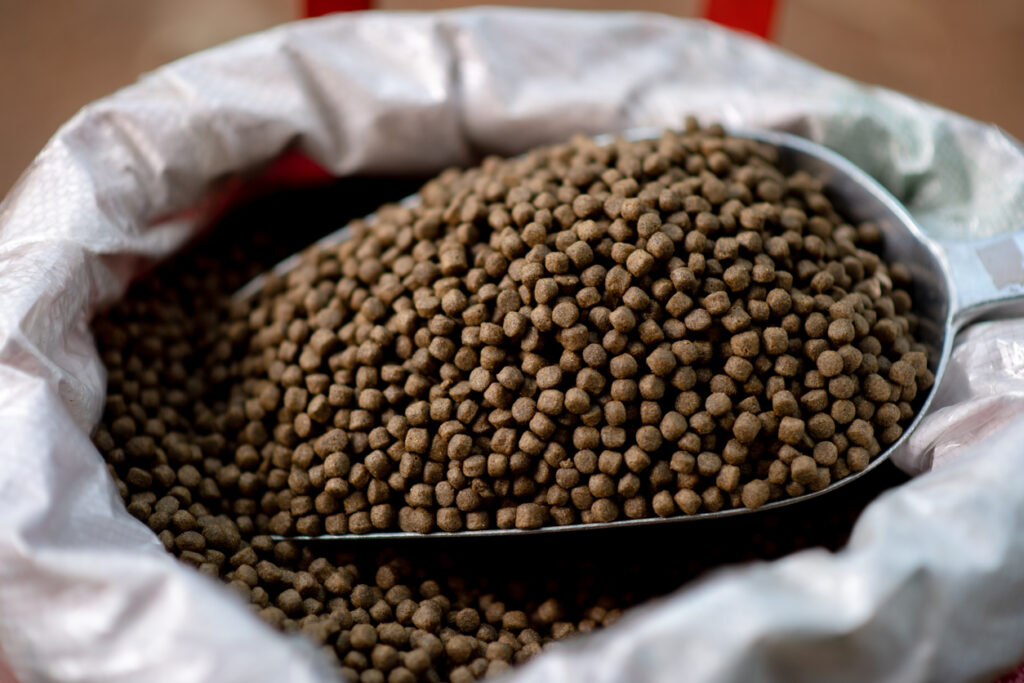
Once fish begin feeding actively, high-quality starter feeds should be provided in appropriate quantities while avoiding overfeeding.
Monitoring appetite during the first week provides valuable information about fish health and environmental conditions.
Keep Detailed Farm Records
Good record-keeping supports better decision-making throughout the production cycle.
Farmers should record:
- Stocking date.
- Number of fingerlings stocked.
- Fingerling supplier.
- Average fingerling size.
- Water quality measurements.
- Feed purchases.
- Daily feed amounts.
- Mortality.
- Growth sampling results.
- Health observations.
Accurate records help evaluate farm performance and identify opportunities for improvement during future production cycles.
Building Success from the First Day
Successful fish farming begins with preparation rather than chance. A clean pond, stable water quality, healthy infrastructure, quality fingerlings, and sound management practices create the conditions needed for high survival rates and consistent growth.
Whether farming tilapia in earthen ponds, raising catfish in tanks, or operating commercial cages on Lake Victoria, investing time in proper preparation reduces production risks and improves long-term profitability. Every step taken before stocking contributes to healthier fish, better feed efficiency, and stronger financial returns.
As Kenya’s aquaculture sector continues to expand, well-prepared farms will play an increasingly important role in supplying safe, high-quality fish while strengthening food security, creating employment, and supporting the country’s blue economy.
Laying the Foundation for a Successful Production Cycle
Preparing your farm before stocking fingerlings is one of the most valuable investments you can make. By focusing on infrastructure, water quality, biosecurity, predator control, and careful acclimatization, farmers can significantly improve survival rates and establish a strong foundation for productive fish growth.
Across Kenya’s aquaculture value chain, Rio Fish supports responsible fish farming through quality fish products, farmer partnerships, sustainable aquaculture practices, and stronger market connections that contribute to resilient food systems and the growth of the blue economy.
To learn more about Rio Fish’s products, farmer partnerships, business solutions, and sustainable aquaculture initiatives, visit www.riofish.co.ke.