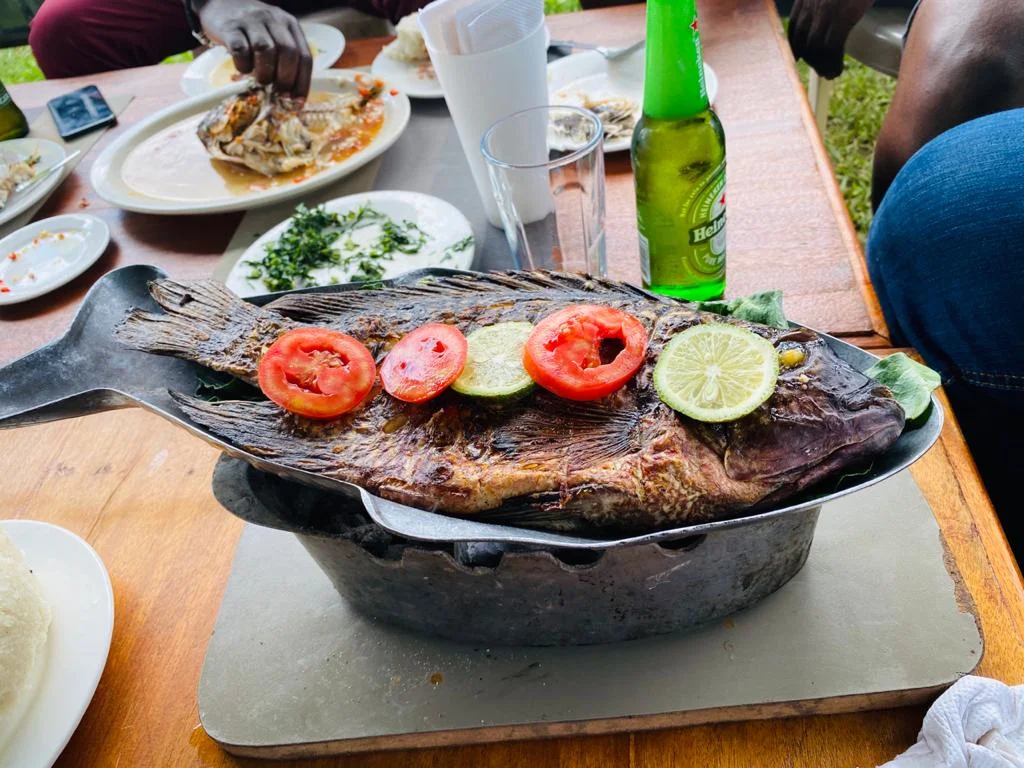
Fish is one of Kenya’s most nutritious and widely enjoyed foods, providing high-quality protein, essential vitamins, healthy fats, and important minerals. Whether served grilled, fried, steamed, smoked, or in traditional stews, fish remains a staple in many households and is increasingly featured on restaurant menus, supermarket shelves, and institutional meal plans.
As consumer demand continues to grow, so does the variety of fish available in the market. Fresh tilapia, Nile perch, catfish, trout, and marine fish are now sold through fish markets, supermarkets, specialty retailers, and direct farm outlets across the country. While this greater availability offers consumers more choices, it also makes it important to know how to identify fish that is fresh, safe, and of high quality.
Buying fresh fish is about more than appearance. Freshness affects taste, texture, nutritional value, food safety, and shelf life. Poor handling, inadequate refrigeration, or improper transportation can quickly reduce fish quality and increase the risk of foodborne illness.
This guide explains how Kenyan consumers, retailers, restaurants, and institutional buyers can confidently select fresh fish while understanding the factors that influence quality from harvest to the dining table.
Why Freshness Matters
Fish is highly perishable compared to many other animal proteins. Once harvested, natural biological processes begin breaking down the flesh. Without proper cooling and handling, bacteria multiply rapidly, reducing quality and making the fish unsafe for consumption.
Fresh fish offers several advantages:
- Better taste and texture.
- Higher nutritional value.
- Longer storage life.
- Safer consumption.
- Better cooking performance.
- Reduced food waste.
Choosing fresh fish also supports responsible businesses that invest in proper harvesting, processing, transportation, and cold chain management.
Understanding the Fish Supply Chain in Kenya
Fresh fish reaches consumers through several different channels.
Wild-caught fish is harvested from water bodies such as Lake Victoria, Lake Turkana, Lake Naivasha, and Kenya’s Indian Ocean coastline. Farmed fish is produced in earthen ponds, tanks, recirculating aquaculture systems, and floating cages, particularly in counties such as Homa Bay, Kisumu, Siaya, Busia, Kirinyaga, Kiambu, Kakamega, Meru, and Nyeri.
After harvest, fish may pass through collectors, processors, distributors, wholesalers, retailers, supermarkets, hotels, restaurants, and local fish markets before reaching consumers.
Every stage of this journey influences freshness. Businesses that maintain proper hygiene and continuous refrigeration are more likely to deliver high-quality products.
Look at the Eyes First
One of the easiest ways to assess a whole fish is by examining its eyes.
Fresh fish typically has:
- Bright, clear eyes.
- A slightly bulging appearance.
- Transparent eye surfaces.
Fish with cloudy, dull, sunken, or heavily discolored eyes may have been stored for too long or handled improperly.
Although eye appearance alone should not determine freshness, it provides a useful first indication.
Check the Gills
The gills provide another reliable indicator of freshness.
Healthy fresh fish usually has:
- Bright red or deep pink gills.
- Moist surfaces.
- Clean appearance.
- No excessive slime.
Brown, gray, dark, or dry gills often indicate aging or poor storage conditions.
Examine the Skin
Fresh fish should have clean, shiny skin with a natural metallic appearance depending on the species.
The scales should remain firmly attached and should not fall off easily when touched.
Avoid fish showing:
- Excessive dryness.
- Large areas of missing scales.
- Unusual discoloration.
- Deep cuts or bruises.
- Signs of spoilage.
Natural coloration varies between species, but healthy fish generally appears vibrant rather than dull.
Feel the Flesh
Texture is one of the most dependable indicators of freshness.
When gently pressed with a finger, fresh fish flesh should feel:
- Firm.
- Elastic.
- Moist.
- Springy.
The flesh should quickly return to its original shape after pressure is removed.
Soft flesh that leaves a lasting indentation may indicate deterioration.
Smell the Fish
Fresh fish should never have an overpowering odor.
Instead, it should have:
- A clean smell.
- Mild aquatic or sea-like aroma.
- No offensive odors.
Strong sour, ammonia-like, or excessively fishy smells are warning signs that the fish may no longer be fresh.
Consumers should trust their sense of smell when making purchasing decisions.
Inspect the Belly
The abdominal area should remain intact.
A swollen, ruptured, or leaking belly may indicate poor handling or advanced spoilage.
Fresh fish should have a firm body with no visible signs of decomposition.
Consider How the Fish Is Displayed
Even a freshly harvested fish can lose quality quickly if displayed improperly.
Fresh fish should ideally be:
- Kept on clean crushed ice.
- Protected from direct sunlight.
- Stored in hygienic display units.
- Shielded from dust and insects.
- Handled with clean equipment.
Retailers should replenish ice regularly to maintain low temperatures throughout the day.
Fish left exposed on dry tables for extended periods is more likely to lose freshness.
Ask About the Source
Consumers increasingly want to know where their food comes from.
Reputable sellers should be able to explain whether the fish is:
- Farmed or wild-caught.
- Locally produced or imported.
- Recently harvested.
- Properly transported under refrigeration.
Traceability improves consumer confidence while encouraging responsible production practices.
Farmed fish from well-managed aquaculture systems often offers consistent quality and year-round availability.
Fresh Whole Fish vs. Fish Fillets
Many consumers prefer fillets because they are convenient and require less preparation.
When buying fresh fillets, look for:
- Firm texture.
- Uniform color.
- Moist appearance.
- No excessive liquid.
- No unpleasant odor.
Avoid fillets with dry edges, discoloration, slimy surfaces, or signs of repeated freezing and thawing.
Understanding Chilled and Frozen Fish
Fresh chilled fish and frozen fish can both be excellent choices when handled properly.
Chilled fish is kept just above freezing and is intended for relatively quick consumption.
Frozen fish is rapidly frozen soon after harvest to preserve quality and extend shelf life.
Properly frozen fish often retains much of its nutritional value and can be an excellent alternative when fresh supplies are unavailable.
Consumers should avoid packages showing excessive ice crystals, damaged packaging, freezer burn, or evidence of thawing and refreezing.
Buying Fish from Different Retail Outlets
Different purchasing locations offer different advantages.
Traditional fish markets often provide freshly harvested products and a wide variety of locally available species.
Supermarkets generally offer standardized packaging, refrigeration, labeling, and quality control.
Fish specialty shops may provide expert guidance, custom preparation, and premium product selection.
Direct farm sales can offer excellent freshness while allowing consumers to learn more about farming practices and production methods.
Regardless of where fish is purchased, hygiene, temperature control, and freshness remain the most important considerations.
Seasonal Availability in Kenya
Some fish species are more readily available during certain periods of the year.
Farmed tilapia and catfish are generally available throughout the year because production is managed under controlled farming systems.
Wild fisheries may experience seasonal fluctuations due to weather conditions, fishing regulations, breeding seasons, and natural fish movements.
Consumers who remain flexible about species selection often enjoy better availability and competitive prices.
Typical Fish Prices in Kenya
Fish prices vary depending on species, size, location, season, production system, and market demand.
As a general guide:
- Fresh whole farmed tilapia commonly sells for approximately KSh 380–650 per kilogram at the farm gate.
- Retail prices in supermarkets and urban markets often range between KSh 600–900 per kilogram, depending on size and presentation.
- Nile perch fillets generally command premium prices because of processing costs and strong domestic and export demand.
- Catfish prices vary considerably depending on region and market demand but are increasingly competitive as production expands.
Consumers should remember that exceptionally low prices may sometimes indicate compromised quality or poor handling.
Transporting Fish Home Safely
After purchasing fish, consumers should minimize the time between purchase and refrigeration.
If travel time is long, an insulated cooler with ice packs helps maintain freshness.
Fish should be refrigerated as soon as possible and cooked within one to two days unless it is frozen for longer storage.
Maintaining the cold chain after purchase is just as important as proper handling before sale.
Safe Preparation at Home
Good food safety practices continue in the kitchen.
Before preparing fish:
- Wash hands thoroughly.
- Use clean utensils and cutting boards.
- Keep raw fish separate from cooked foods.
- Refrigerate fish promptly.
- Cook thoroughly to the appropriate internal temperature.
These simple practices help reduce the risk of foodborne illness while preserving quality.
Supporting Sustainable Fish Consumption
Choosing responsibly produced fish benefits consumers and the environment.
Kenya’s aquaculture sector continues to expand, providing reliable supplies of high-quality fish while reducing pressure on wild fish stocks. Responsible fish farming also creates employment, strengthens rural livelihoods, and contributes to national food security.
Consumers can support sustainability by purchasing from businesses that prioritize good aquaculture practices, proper handling, traceability, and environmentally responsible production.
Making informed purchasing decisions encourages continuous improvements throughout the fisheries value chain.
Buying Fresh Fish with Confidence
Fresh fish is one of the healthiest and most versatile foods available to Kenyan consumers, but quality begins with informed purchasing decisions. By checking the eyes, gills, skin, texture, smell, and storage conditions, buyers can confidently identify fish that is fresh, nutritious, and safe to eat.
Whether purchasing from local fish markets, supermarkets, specialty retailers, or directly from fish farms, paying attention to freshness and hygiene ensures better value, improved taste, and greater peace of mind.
As Kenya’s blue economy continues to grow, informed consumers play an important role in supporting responsible aquaculture, sustainable fisheries, and businesses committed to delivering quality fish from harvest to table.
Fresh Fish Starts with Responsible Handling
Quality fish is the result of good practices throughout the entire value chain—from farming or fishing to harvesting, transportation, processing, storage, and retail. Consumers benefit when every participant in the supply chain maintains high standards of food safety, hygiene, and cold chain management.
Across Kenya’s fisheries sector, Rio Fish contributes to these standards through responsible aquaculture, quality fish products, farmer partnerships, and efficient market linkages that help deliver safe, nutritious fish to homes, businesses, and institutions.
To learn more about Rio Fish’s products, farmer partnerships, business solutions, and sustainable aquaculture initiatives, visit www.riofish.co.ke.